1 part in stock
c. 1866–1898 · cartridge
Early Repeater
A written overview of this era is still to come. It goes through the same check as everything else here — nothing is published as fact before Butch Schoeller has confirmed it.
The plate corpus
Plates placed on this era
12 of 16 shown
These are grouped by how the arm fires, not by pattern. The records behind them identify a mechanism and a date — a patent sheet names neither the maker’s model nor the arm it ended up in, and an armoury catalogues by ignition system — so none of them is a claim about a particular gun. Where a sheet carries a mechanism classification it is named beneath the plate, and that too describes how the part works rather than which arm it came off.
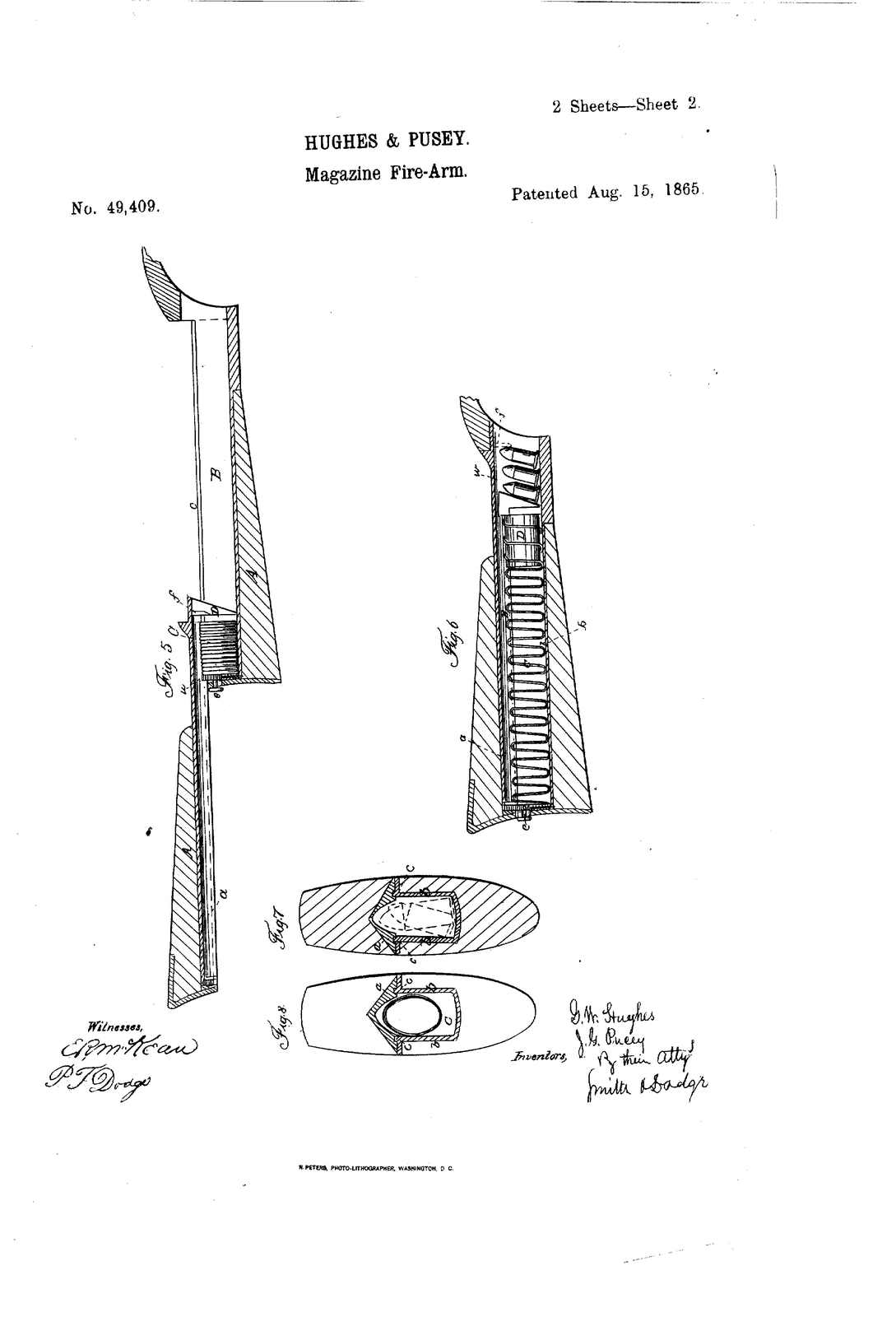
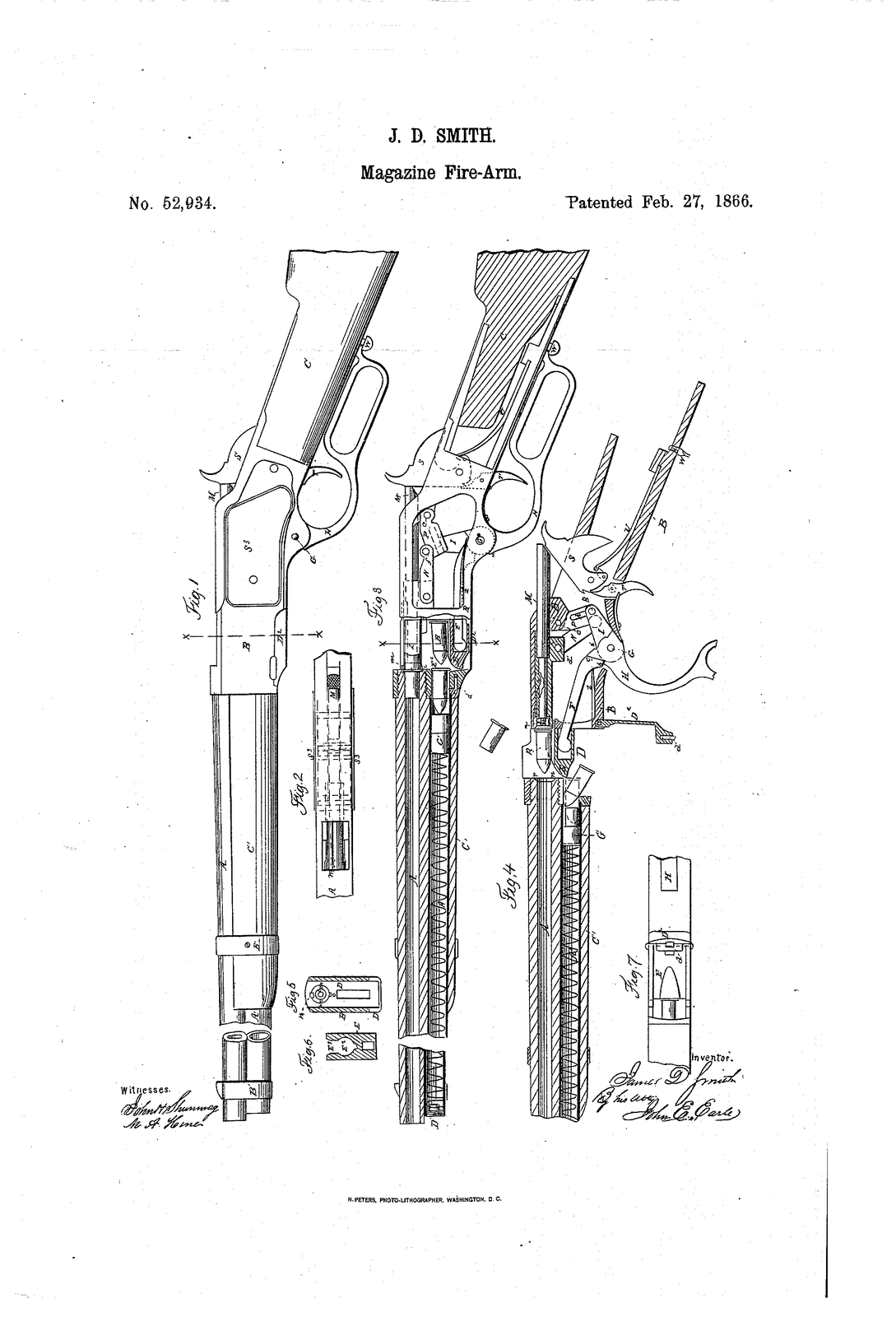
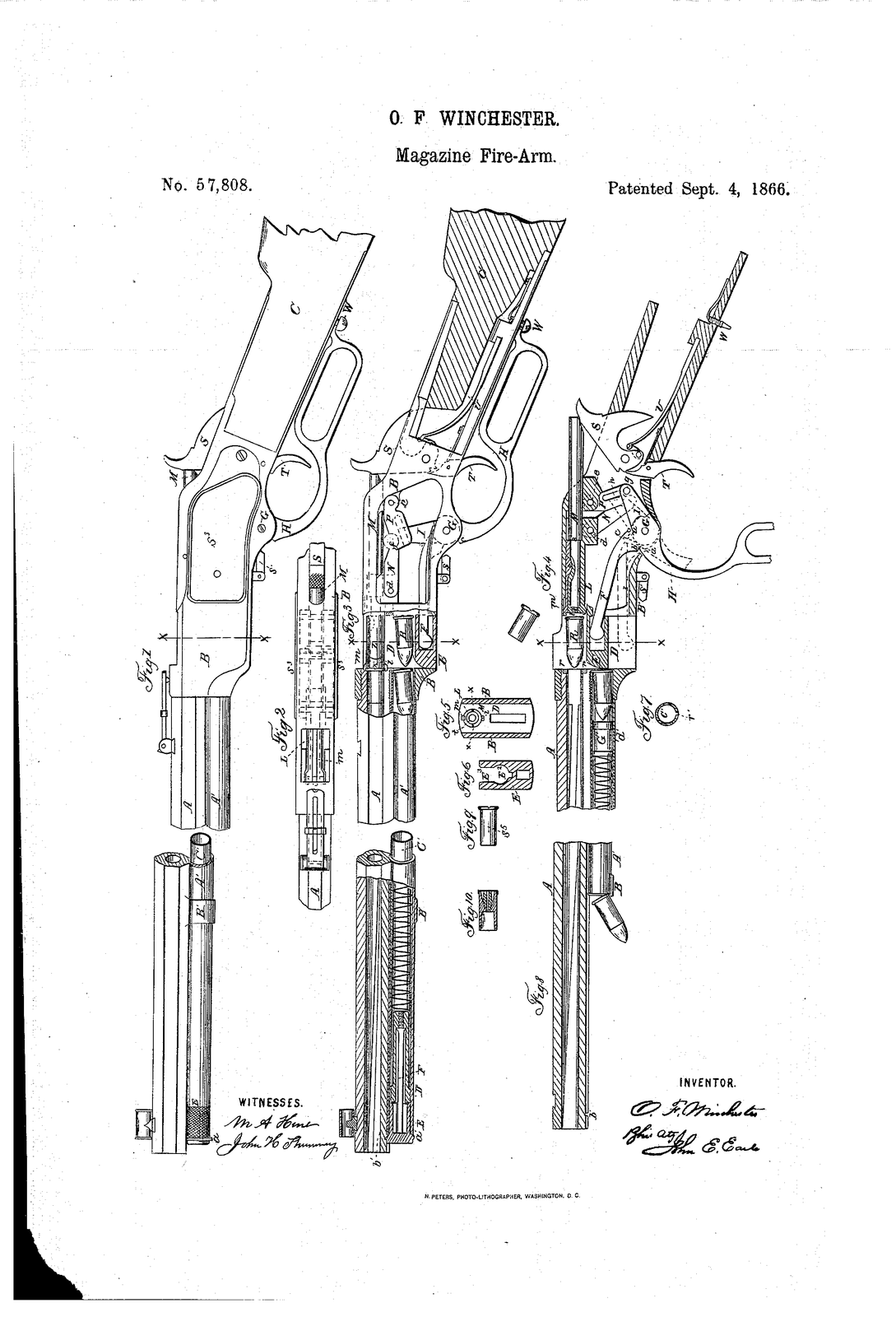
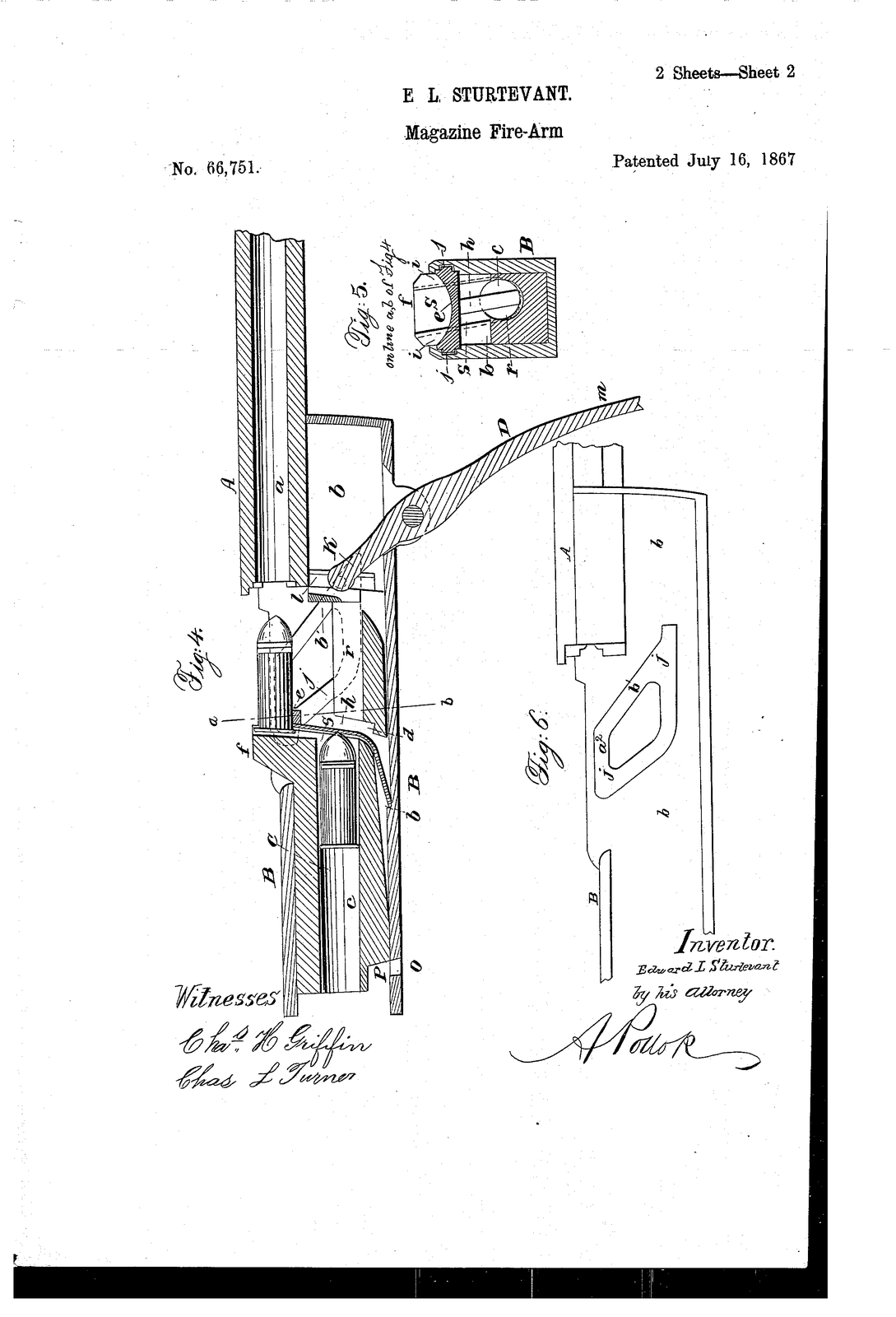
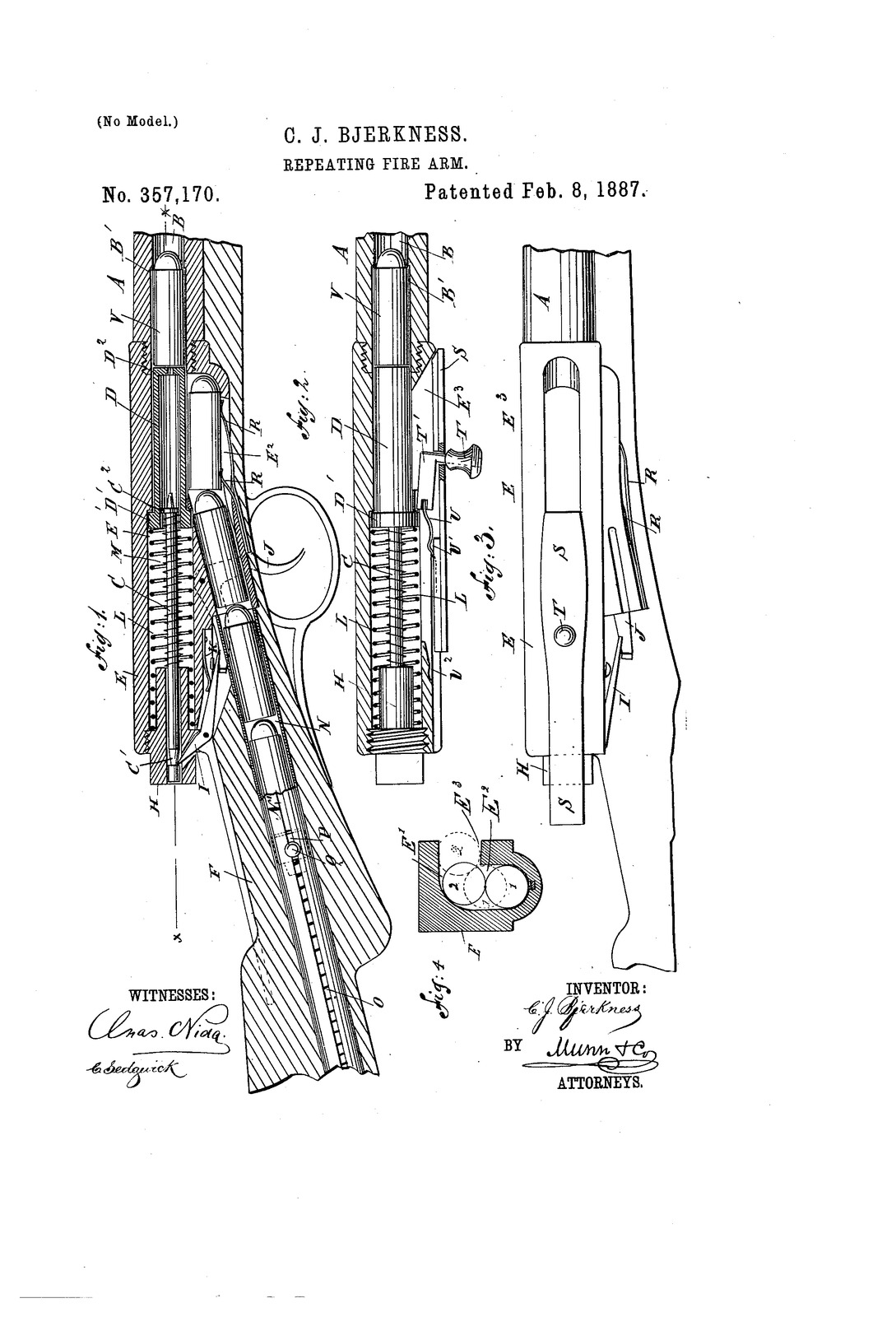
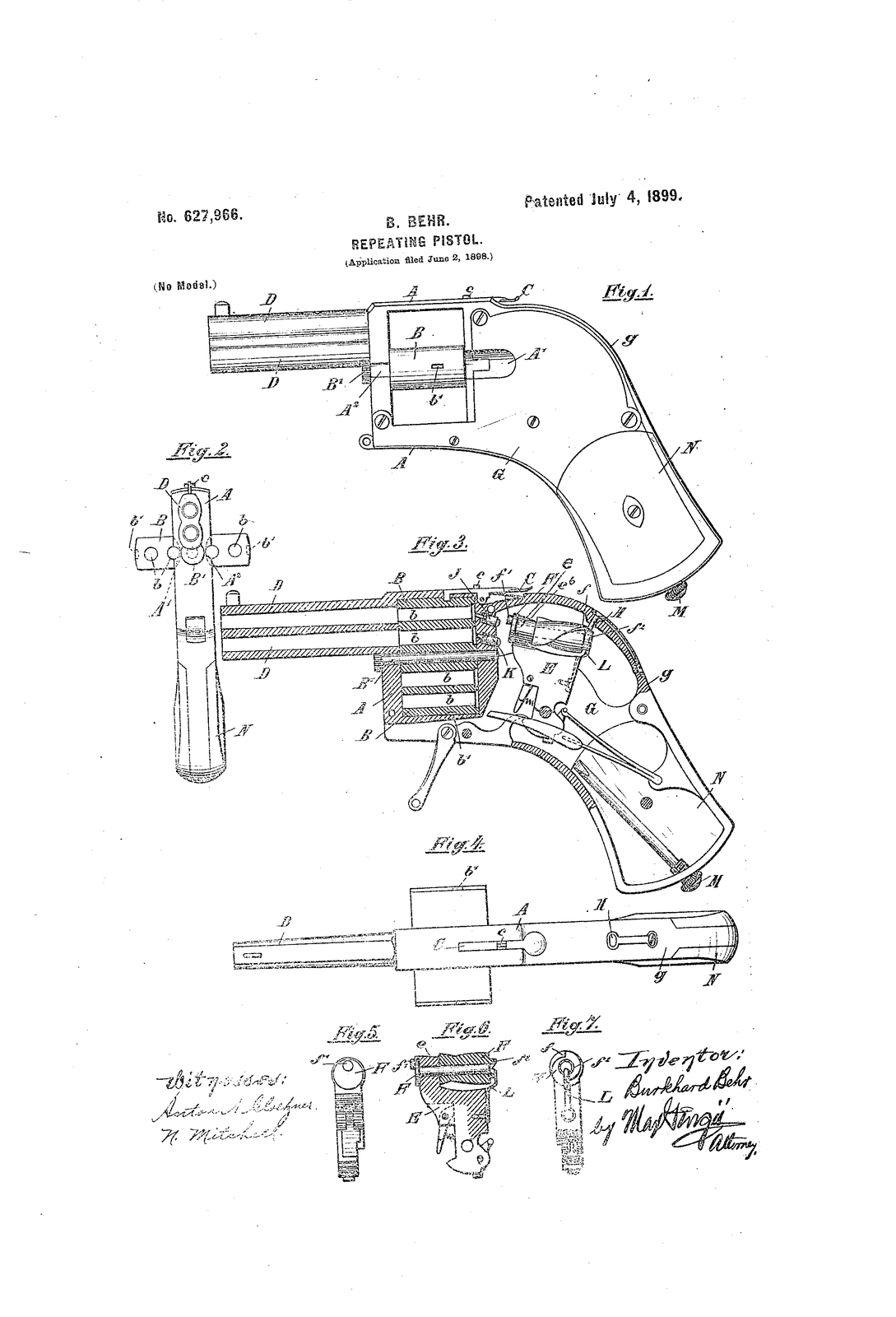
Patent drawings · 14 sheets
The original engineering drawings, filed by the people who designed these mechanisms, with every component called out and numbered. One sheet is shown per filing: a patent’s sheets are pages of one drawing rather than separate drawings. The specification pages of each filing — the prose, which is most of it — are not shown, because a page of type is not a drawing.
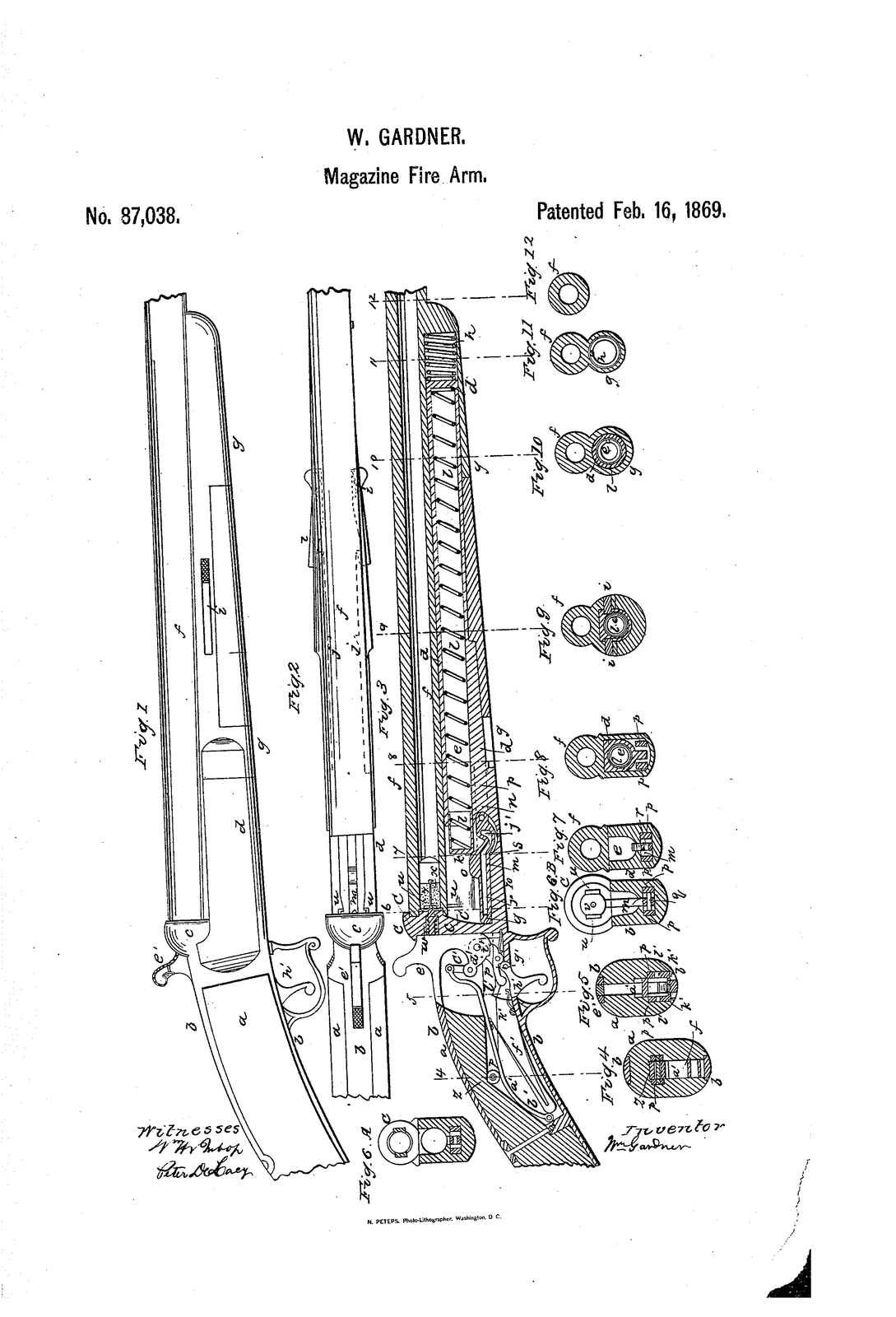
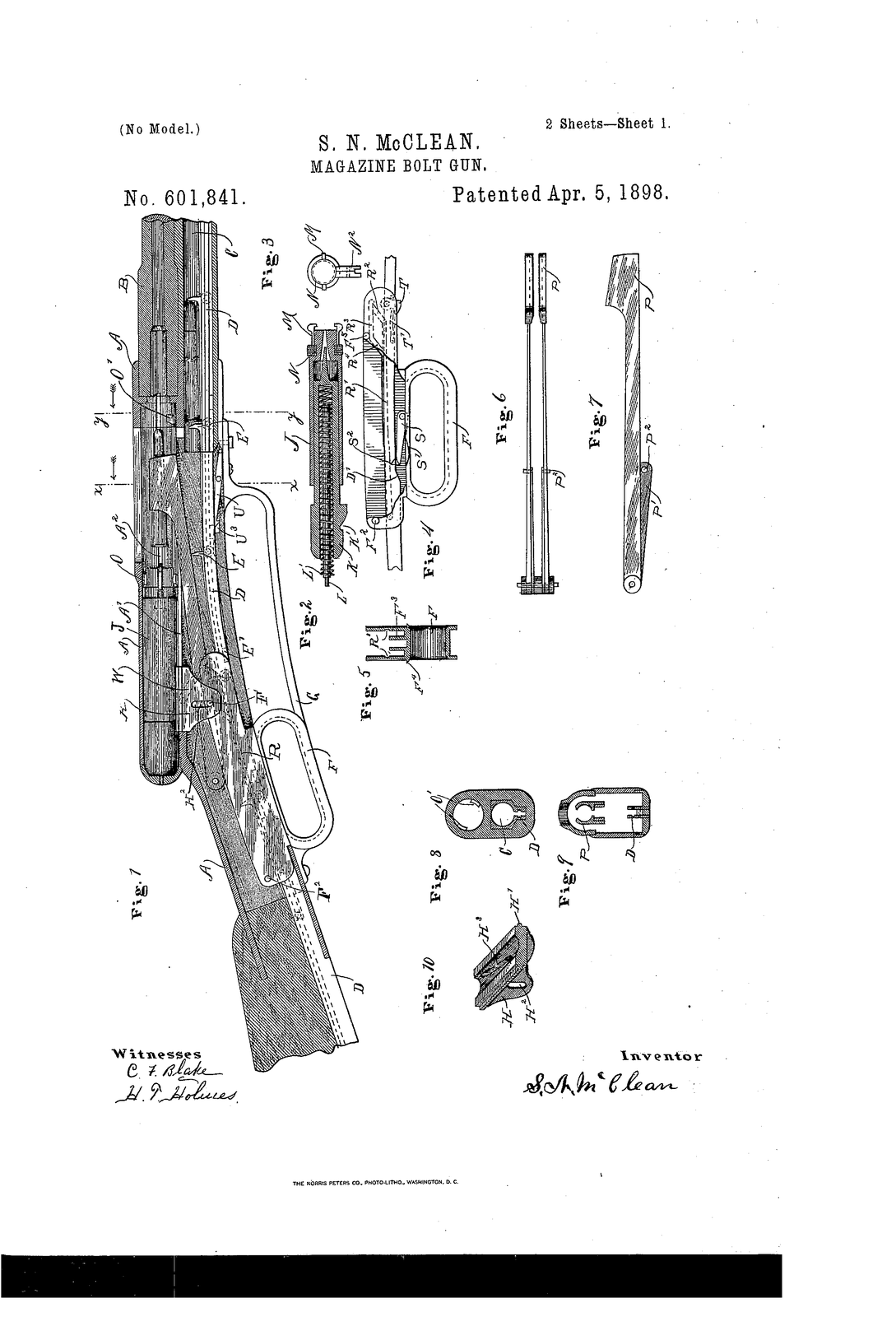
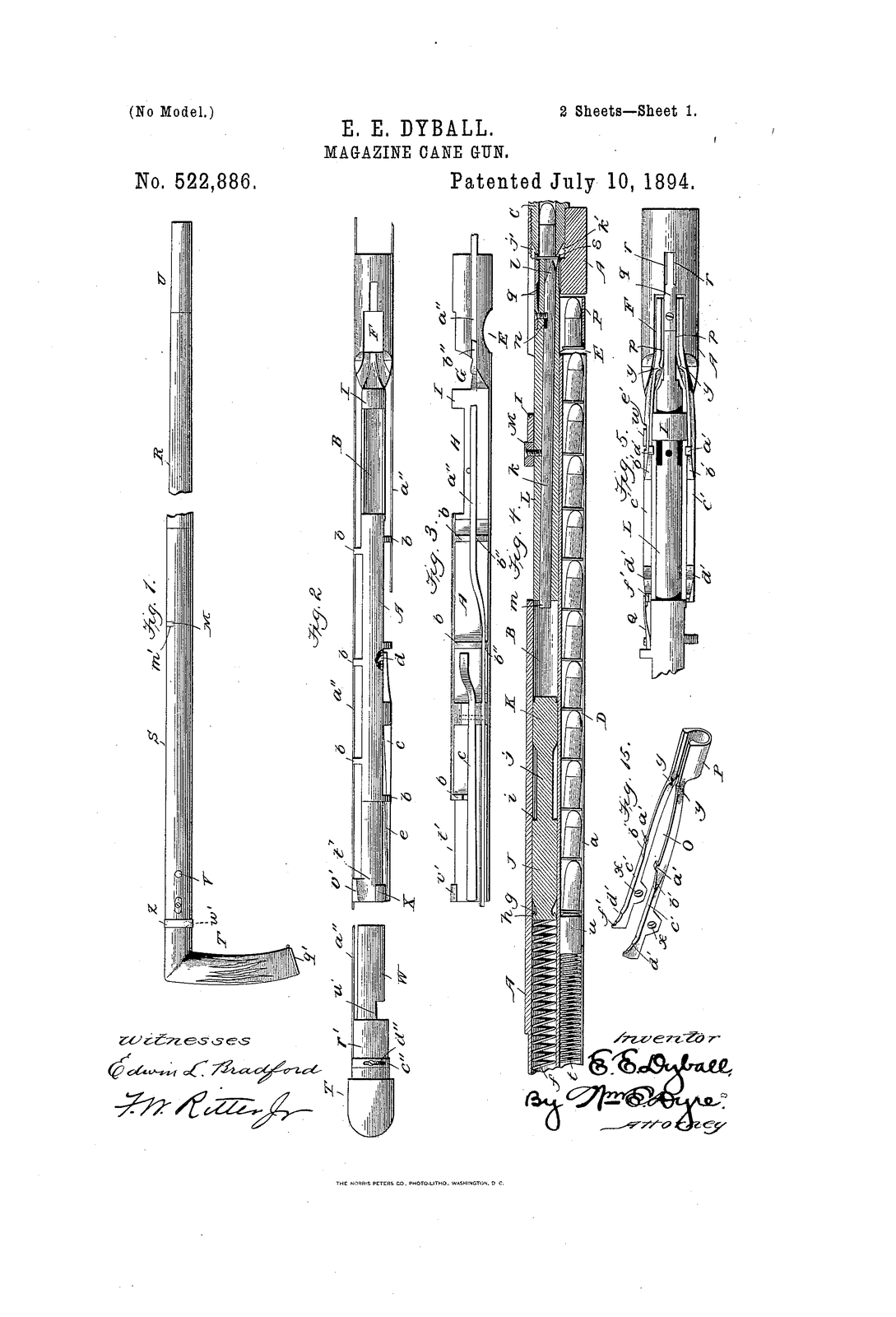
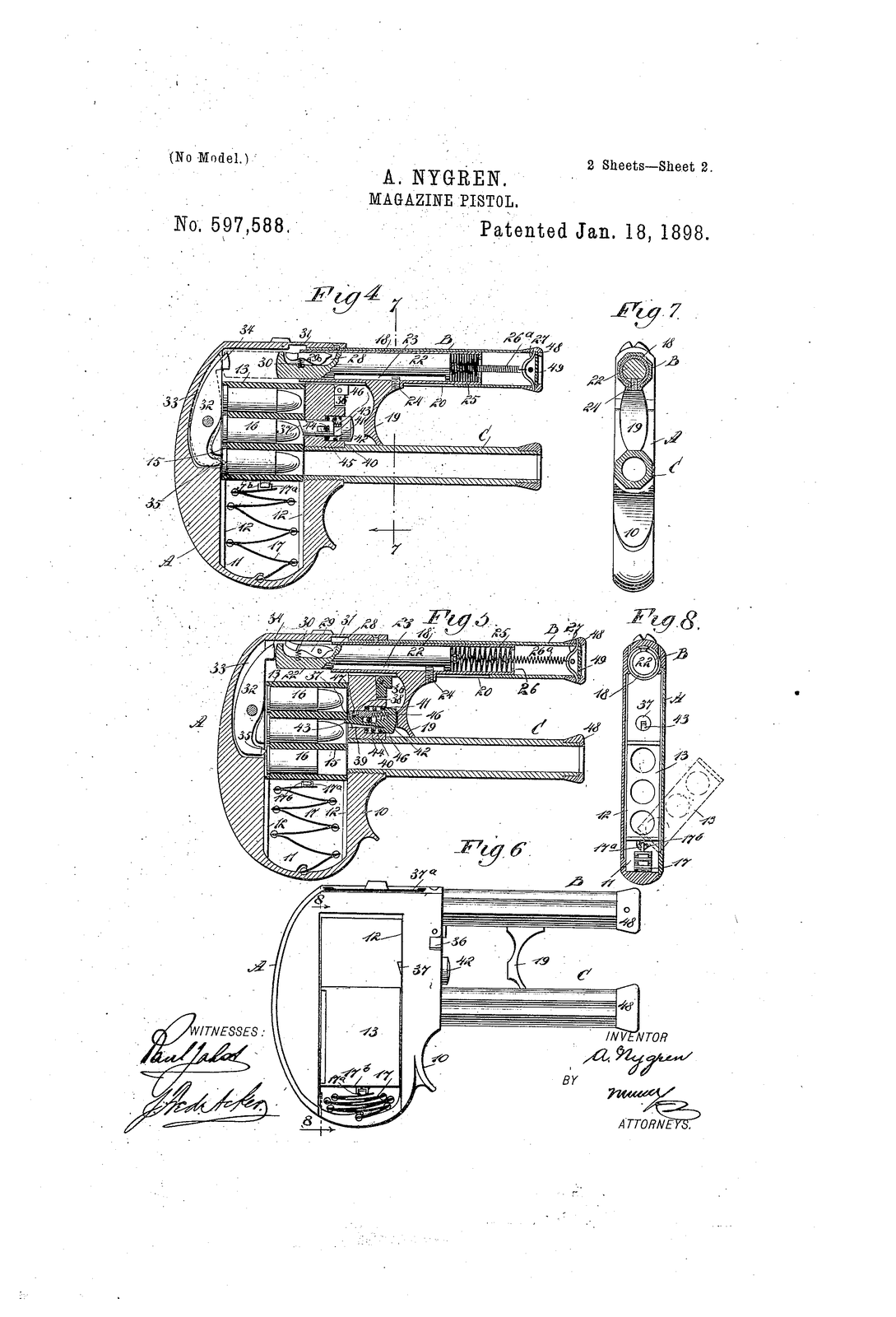
Surviving arms · 2 photographs
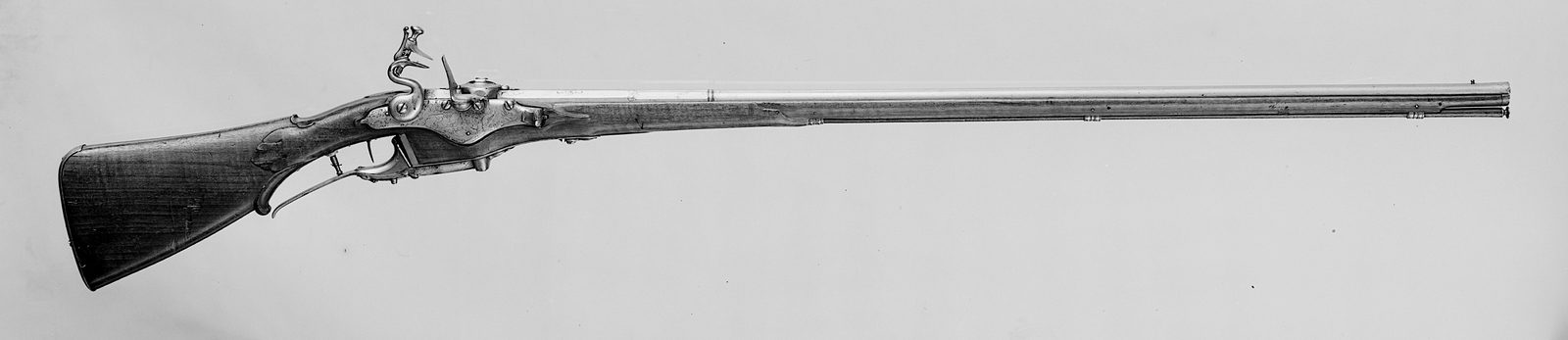
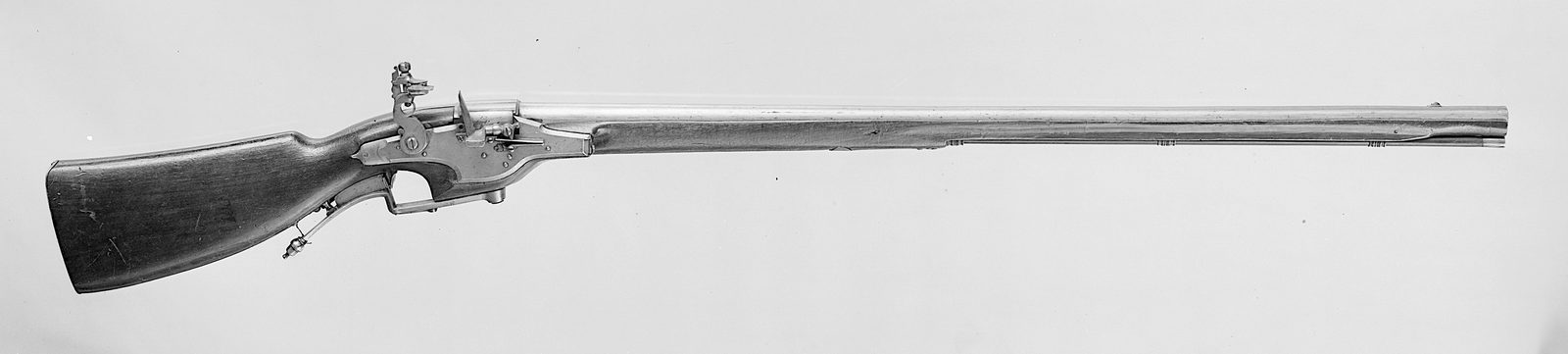
Museum and armoury photography of arms of this ignition system. The caption under each is the source record’s own title, printed as it stands — including the holding institution and its accession number where the record carries them, because that is what lets a reader go and check the plate.
153 plates are filed under this era; 16 of them are shown here. The rest are held back for one of two reasons — the scan is too small to read, or the page is specification text rather than a figure. A patent is mostly prose, and a page of type is not a drawing of anything. The rest of the reference is reachable on the other two axes.
Model families
Arms of this era
1 part in stock
2 parts in stock
None in stock
4 parts in stock
The reference
Parts of this era
44 part types · 220 documented
The components documented on the arms of this era, and which of those arms each one is recorded on. Following an arm goes to that arm’s own entry for the part; following the component crosses the whole catalogue instead.
- Actuating Lever
5 documented
- Band Springs
5 documented
- Barrel Bands
5 documented
- Bayonet Lug
5 documented
- Bolt Body
5 documented
- Bolt Handle
5 documented
- Bolt Head
5 documented
- Bolt Sleeve
5 documented
- Breechblock
5 documented
- Breechblock Hinge Pin
5 documented
- Buttplate
5 documented
- Buttstock
5 documented
- Carrier
5 documented
- Cartouche
5 documented
- Clip Guide
5 documented
- Cocking Piece
5 documented
- Ejector
5 documented
- Extractor
5 documented
- Extractor Claw
5 documented
- Firing Pin
5 documented
- Forestock
5 documented
- Front Sight
5 documented
- Locking Lever
5 documented
- Locking Lugs
5 documented
Showing 24 of 44 part types documented in this era. All part types
From the bench
Available now (10)
10 listed · 0 sold
- Italian Vetterli cleaning rod for the 6.5 conversion
- 1871 Mauser rifle cleaning rod
- Swiss Vetterli cleaning rod
- Dutch Beaumont rifle clean rod
- Winchester 1866,1873-1876 carbine cleaning rod/3 piece
- U.S. 1892 Krag rifle cleaning rod
- Winchester rifle butt plte
- Winchester/Henry cleaning rod / 4 piece
- Winchester musket cleaning rod,5 piece
- 1871 Mauser nose cap
Check it yourself
Sources
6 sources
Period and institutional material relevant to this entry. Listed so it can be checked, not as decoration — nothing here has been through expert review yet.
- 1.Pușcă de calibru 7,62 mm, sistem bolt-action, creată de căpitanul rus Serghei Moisin la care și-a adus contribuția și armurierul belgian Leon Nagant. Această armă a fost adoptată în anul 1891 ca arma standard din dotarea armatei țariste. Magazia aflată sub culată conține cinci cartușe de tip 7,62x54R. Anul fabricației, 1913, a fost gravat pe țeavă. Dispozitivele pentru luarea liniei de ochire îi conferă o precizie foarte mare fiind arma preferată de lunetiștii ruși și în cel de-al doilea război mondial. Pentru lupta de aproape era prevăzută cu o baionetă cu patru muchii ce se atașa la țeavă prin rotire.National Heritage Institute, Bucharest · National Museum of Transylvanian History · 1891
- 2.Evans Repeating Rifle Co. Transition Model Lever Action MusketEvans Repeating Rifle Company · Metropolitan Museum of Art · 1851
- 3.Target range pocket book for use with the U.S. magazine rifle, model of 1903, cal. .30 ... April 28, 1908United States. Army. Ordnance Dept · Washington, U.S. Govt. Print. Off. · University of California Libraries · 1917
- 4.Description and rules for the management of the U.S. magazine rifle and carbine; calibre .30United States. Army. Ordnance Dept · Washington : Gov't. Print. Off. · Cornell University Library · 1898
- 5.Pușcă de calibru 7,62 mm, sistem bolt-action, creată de căpitanul rus Serghei Mosin la care și-a adus contribuția și armurierul belgian Leon Nagant. Această armă a fost adoptată în anul 1891 ca arma standard din dotarea armatei țariste. Magazia aflată sub culată conține cinci cartușe de tip 7,62x54R. Arma a fost produsă în Rusia în anul 1896 iar seria și sigla manufacturii au fost marcate pe partea superioară a țevii, înaintea înălțătorului. Dispozitivele pentru luarea liniei de ochire îi conferă o precizie foarte mare, acest model fiind preferat de lunetiștii ruși și în cel de-al Doilea Război Mondial. Pentru lupta de aproape era prevăzută cu o baionetă cu patru muchii ce se atașa la țeavă prin rotire.National Heritage Institute, Bucharest · National Museum of Transylvanian History · 1891
- 6.Infantry drill regulations. Manual of arms adapted to the Springfield rifle, caliber .45 and to the magazine rifle, caliber .30United States. War Dept · New York, D. Appleton · Library of the Marine Corps · 1900