The index of parts
Parts by type
The cross-cutting way in: pick the component and see every antique arm it appears on.
As Butch writes his notes on telling an original from a later replacement, they appear on each part type — the part of this reference that will exist nowhere else.
70
Part types
7
Groupings
1,124
Parts documented
160
Listed now
Plates
Photographed at the bench
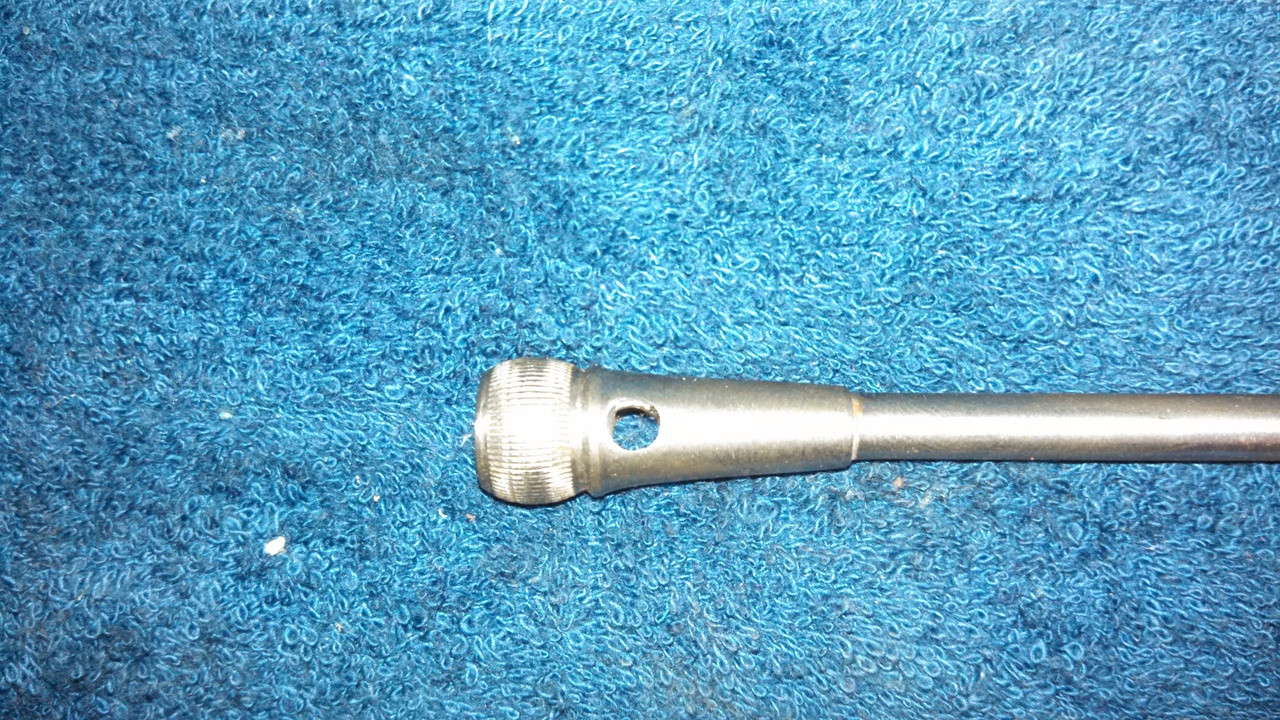
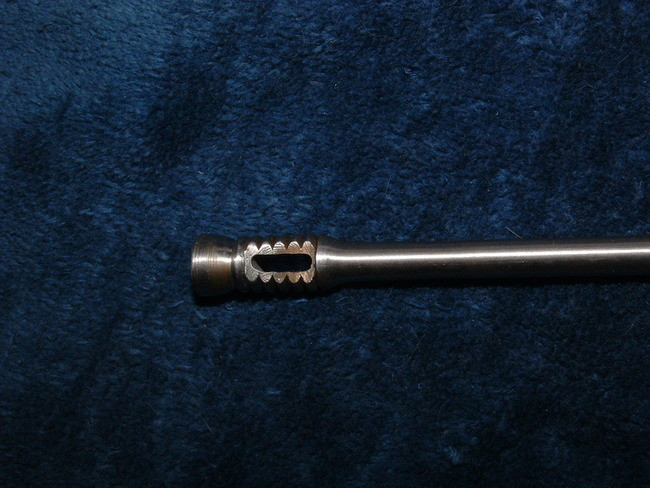
Every listing is photographed from the piece in hand by Butch Schoeller — the pictures are of the part you would receive, not a stock image of the pattern.
cartridge
Breechloading & Conversion Action
9 entries
Actuating LeverOperates rolling and falling-block actions.10 documentedBreechblockThe component sealing the breech. Hinged on Springfield and Snider, rolling on Remington, falling on Sharps and Martini, rotary on Werndl.10 documentedBreechblock Hinge PinPivot for hinged breechblock designs.10 documentedEjectorThrows the spent case clear of the action.10 documentedExtractorPulls the spent case partway from the chamber.10 documentedFiring PinStrikes the primer.10 documentedLocking LeverSecures the breechblock closed.10 documentedReceiverHouses the breech mechanism.10 documentedTangRear extension of the receiver into the stock wrist.
flintlock
Flintlock Lock & Ignition
15 entries
BridleSupports the tumbler and sear pivots.11 documentedCock17 in stockHolds the flint. Called the hammer in US usage, which is the reverse of British usage — a frequent source of confusion when reading period sources.11 documentedFlyPrevents the sear catching the half-cock notch during firing.11 documentedFrizzen15 in stockThe steel struck by the flint. Called the battery, or confusingly the hammer, in British usage.11 documentedFrizzen Spring9 in stockReturns the frizzen over the pan and holds it closed.11 documentedJaw ScrewTightens the top jaw onto the flint.11 documentedLockplateBase plate mounting all lock components.11 documentedMainspring2 in stockDrives the cock forward.11 documentedPan12 in stockHolds the priming powder.11 documentedPan BridleSecures the pan to the lockplate.11 documentedSearCatches the tumbler notches at half and full cock.11 documentedSear SpringTensions the sear against the tumbler.11 documentedTop Jaw10 in stockClamps the flint against the cock.11 documentedTumblerRotates with the cock and engages the sear.11 documentedVent LinerThe channel from pan to main charge.11 documented
percussion
Percussion Lock & Ignition
7 entries
BolsterThe housing the nipple threads into.5 documentedConversion BushingHardware converting a flintlock to percussion.Maynard Tape Primer MechanismAutomatic priming system unique to the US Model 1855.5 documentedNipple3 in stockHolds the percussion cap. Threads into the bolster or drum.Nipple ProtectorAccessory cap protecting the nipple in transit.5 documentedPercussion Hammer6 in stockReplaces the flintlock cock; strikes the cap on the nipple.SnailA raised bolster shape, characteristic of Enfield locks.5 documented
cartridge
Repeater Action
15 entries
Bolt BodyThe main reciprocating component of a bolt action.10 documentedBolt HandleExternal operating handle.10 documentedBolt HeadSeparate locking and extraction face, as on Lee actions.Bolt SleeveRear housing around the striker.10 documentedCarrierCartridge elevator in a lever action.10 documentedClip GuideMannlicher used en-bloc clips; Mauser used stripper clips.Cocking PieceEngages the sear at the rear of the striker.10 documentedExtractor ClawGrips the cartridge rim.10 documentedLocking LugsEngage recesses in the receiver.10 documentedMagazineTube on Vetterli and Kropatschek; box on Mauser, Lee, Krag and Mannlicher.10 documentedMagazine CutoffIsolates the magazine for single loading. Found on the US Krag and Lee-Metford.10 documentedMagazine FloorplateCloses the bottom of a box magazine.10 documentedMagazine FollowerLifts cartridges under spring pressure.10 documentedStriker SpringDrives the striker forward.10 documentedToggle LinkHenry and Winchester 1866/1873 actions only.10 documented
flintlock · percussion · cartridge
Sights & Markings
4 entries
Bayonet LugMounts the bayonet to the muzzle end.34 documentedCartoucheInspector's stamp in the stock. A key identification and valuation feature.34 documentedFront SightForward aiming reference, often integral with a base or block.34 documentedRear SightLadder sights on breechloaders; block-and-notch on muskets.34 documented
flintlock · percussion · cartridge
Stock & Furniture
16 entries
Band SpringsRetain the barrel bands in position.34 documentedBarrel BandsSecure the barrel to the stock. Band count and style are major identification features.34 documentedButtplateProtects the rear of the buttstock. Tang length and shape are dating features.ButtstockThe rear portion of the stock, against the shoulder.34 documentedForestockThe forward portion of the stock under the barrel.34 documentedNosecapCaps the forestock; sometimes doubles as a bayonet lug mount.34 documentedPatchboxCompartment in the buttstock. Common on American long rifles and the Mississippi family.34 documentedRamrod45 in stockSeats the charge in a muzzleloader and cleans the bore.Ramrod PipesRetain the ramrod beneath the barrel.34 documentedRamrod SpoonThe ramrod head. Its shape distinguishes period and model.34 documentedSide ScrewsPass through the stock to secure the lock.34 documentedSideplateSits opposite the lock on two-piece-stocked arms.34 documentedSling SwivelsAttachment points for the sling.34 documentedTriggerReleases the sear.34 documentedTrigger Guard1 in stockProtects the trigger; often integral with the trigger plate.23 documentedTrigger PlateMounts the trigger inside the stock.34 documented
Uncategorised
4 entries